COMPANY NEWS
The Value of Custom Manufacturing in Modern Industry
The Value of Custom Manufacturing in Modern Industry
In today’s competitive industrial landscape, businesses are increasingly turning to custom manufacturing solutions to meet specific project requirements. Unlike standard, off-the-shelf components, custom manufacturing offers flexibility, precision, and efficiency that can significantly improve overall performance and cost-effectiveness.
What Is Custom Manufacturing?
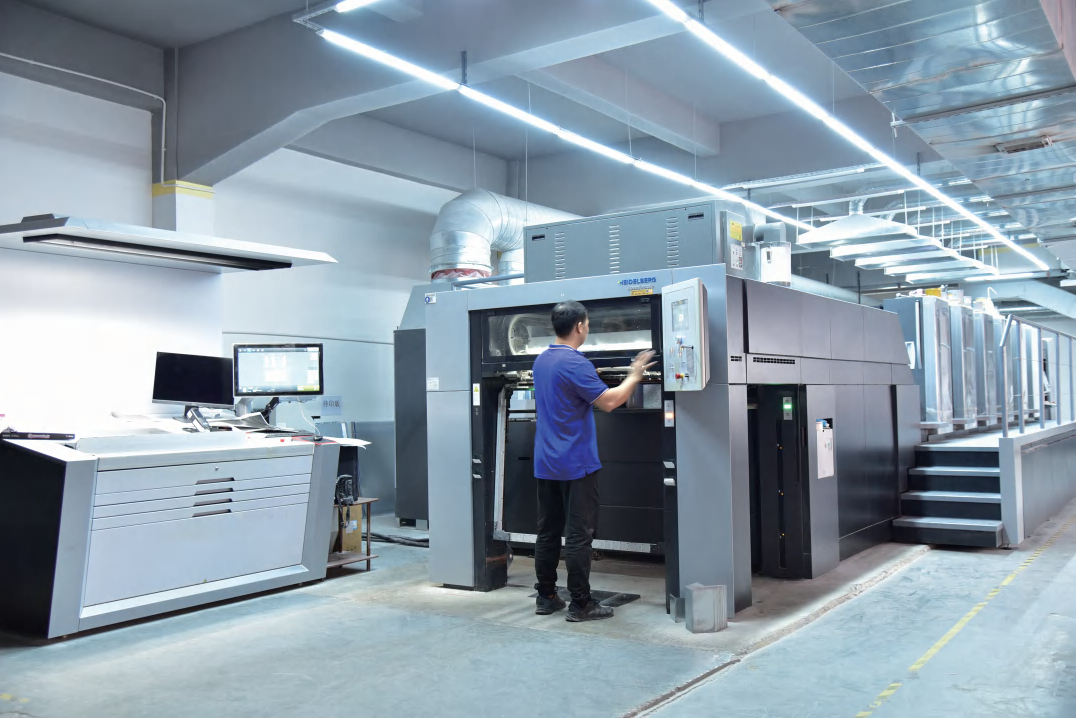
Custom manufacturing refers to the process of designing and producing components tailored to unique specifications. This approach allows companies to optimize product performance, reduce material waste, and ensure compatibility with existing systems.
Industries such as automotive, construction, electronics, and machinery rely heavily on custom-made parts to maintain high standards of quality and functionality.
Key Benefits of Custom Manufacturing
-
Precision and Accuracy: Custom components are produced according to exact specifications, ensuring a perfect fit and reliable performance.
-
Improved Efficiency: Tailored parts can streamline production processes and reduce assembly time.
-
Cost Optimization: Although initial costs may be higher, custom solutions often lower long-term expenses by minimizing defects and replacements.
-
Enhanced Product Performance: Components designed specifically for an application perform better than generic alternatives.
Applications Across Industries
Custom manufacturing is widely used in:
-
Industrial machinery and equipment
-
Automotive components
-
Construction materials
-
Electronic hardware
For example, a company producing specialized machinery may require uniquely shaped metal components that cannot be sourced from standard catalogs. Custom manufacturing ensures these parts meet strict technical requirements.
Choosing the Right Manufacturing Partner
Selecting an experienced manufacturer is critical. Look for a company that offers:
-
Advanced production technology
-
Strict quality control systems
-
Engineering support and customization capabilities
-
Reliable delivery timelines
A trusted partner can help you bring your designs to life while maintaining high standards of quality and efficiency.
Conclusion
Custom manufacturing is no longer a luxury but a necessity for businesses seeking to stay competitive. By investing in tailored solutions, companies can improve product performance, reduce costs, and gain a significant advantage in their industry.